Today, March 25, is the Feast of the Annunciation, the day the Angel Gabriel came to Mary and told her that she would have a Son. You’ll notice that this is exactly 9 months before December 25. The people of her time knew that a new human life begins at conception.
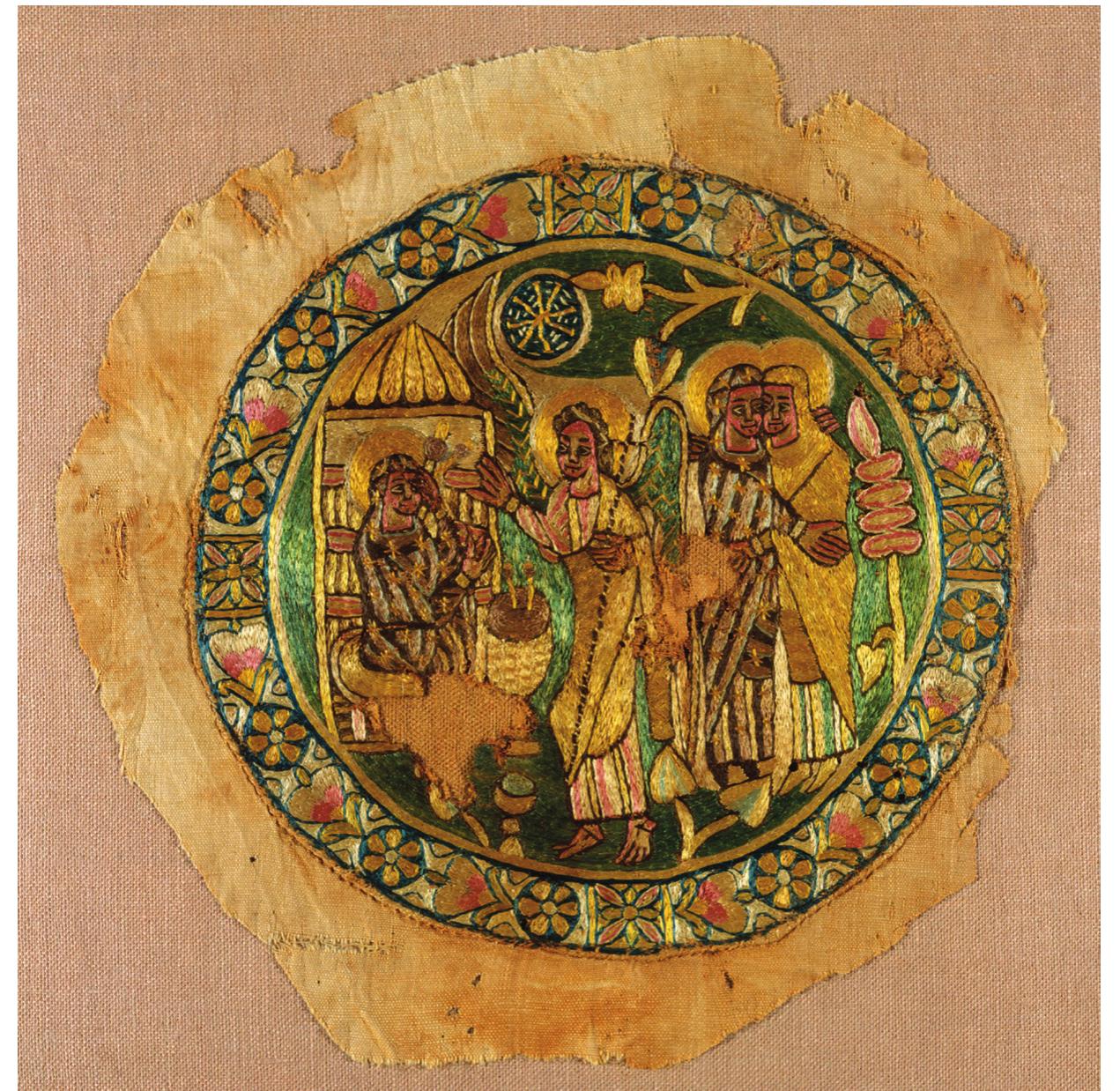
When Mary had had a few days to absorb the angel’s words, she went into the hill country to visit her cousin Elizabeth, now six months pregnant with St. John the Baptist (Luke 1:46-55). When she arrived she called out a greeting to Elizabeth; it was proper for a person of lower status (in this case, merely because she was younger) to give the initial greeting, and the higher person to respond. That’s why Elizabeth asks, “Why do I deserve for the mother of my Lord to give the greeting?” She could hear, in Mary’s voice, the Son of God in her womb. Elizabeth went on, “When your voice came to my ears, the baby in my womb [St. John] leaped for joy.”
At that, Mary began singing a hymn that starts, “My soul magnifies the Lord.” (Remember last week we talked about how a pre-literate people call a prayer or song by its first words, while the post-literate use a title, “The Magnificat.”) In her hymn she quoted boldly from the Scriptures she’d been hearing all her life.
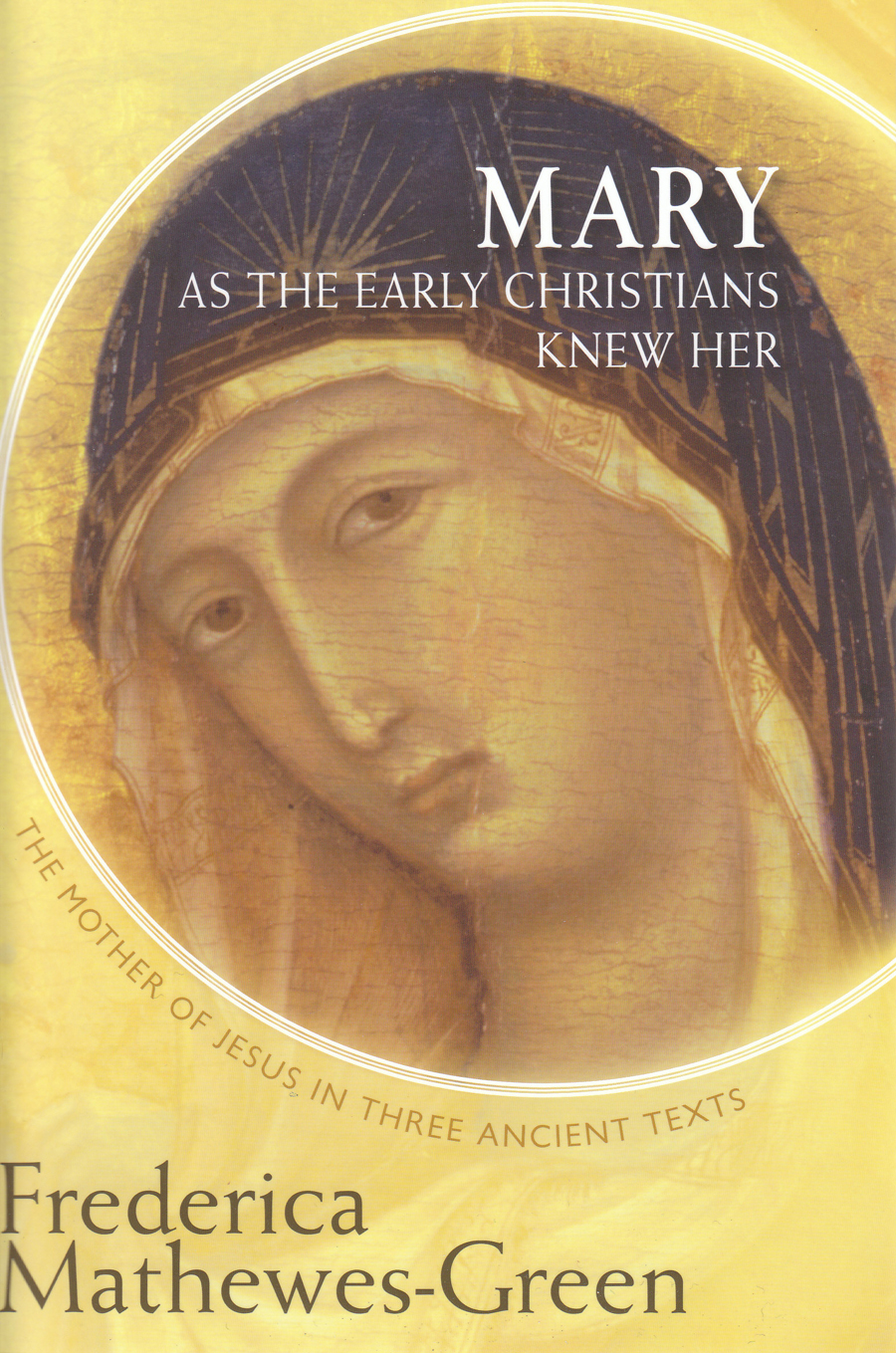
It’s not surprising that she knew the Bible so well, for pre-literate people do a lot more memorizing than literate ones. Mary would naturally have memorized a vast amount of Scripture, just by hearing it said in worship. So, skipping through the psalms and prophets, she proclaimed that the Lord was about to cast down the mighty, to raise up the poor, and feed the hungry; that he has helped his servant Israel, remembered his mercy, and kept his promise to Abraham’s descendants.
One indicator that Mary’s song is authentic, that it really is what she said at the time, is that it so poignantly does not predict what actually lay ahead in Israel’s history. We talked about this irony, a bitter irony, last week, in “The Battle You Are Already In.” Only later did Jesus’ followers comprehend that Jesus did not come to defeat the Romans, that his kingship is truly “not of this world,” and his warfare is “not against flesh and blood.”
But, like others throughout Scripture, Mary had spoken a truth that meant something more than she understood. Jesus had a greater Enemy in mind, the Mighty One who had enslaved humanity in Death from the beginning. His claws were in the brains of Israel’s Roman oppressors, and behind every act of malice since time began. That one was cast down from his throne, and this conferred on all humanity a victory more profound and penetrating and universal than any merely political power could achieve.
Luke 1:46 And Mary said, My soul doth magnify the Lord, 1 Sam 2:1 And Hannah prayed, and said, My heart rejoiceth in the Lord, mine horn is exalted in the Lord: my mouth is enlarged over mine enemies; because I rejoice in thy salvation.
Luke 1: 47 And my spirit hath rejoiced in God my Saviour. Hab 3:18 Yet I will rejoice in the Lord, I will joy in the God of my salvation.
Luke 1:48 For he hath regarded the low estate of his handmaiden: Ps 136:23 Who remembered us in our low estate.
Luke 1:48 for, behold, from henceforth all generations shall call me blessed. Mal 3:12 And all nations shall call you blessed.
Luke 1:49 For he that is mighty hath done to me great things; Ps 126:3 The Lord hath done great things for us; whereof we are glad
Luke 1: 49 and holy is his name. Ps 111:9 Holy and reverend is his name.
Luke 1:50 And his mercy is on them that fear him from generation to generation. Ps 103:17 But the mercy of the Lord is from everlasting to everlasting upon them that fear him, and his righteousness unto children’s children;
Luke 1:51 He hath shewed strength with his arm; Ps 98: His right hand, and his holy arm, hath gotten him the victory.
Luke 1:51 He hath scattered the proud in the imagination of their hearts. Ps 89:10 Thou hast scattered thine enemies with thy strong arm.
Luke 1: 52 He hath put down the mighty from their seats, and exalted them of low degree. Ps 75:7 But God is the judge: he putteth down one, and setteth up another.
Luke 1:53 He hath filled the hungry with good things; and the rich he hath sent empty away. Ps 107:9 For he satisfieth the longing soul, and filleth the hungry soul with goodness.
Luke 1:54 He hath helped his servant Israel, in remembrance of his mercy; Ps 98:3 He hath remembered his mercy and his truth toward the house of Israel:
Luke 1:55 55 As he spake to our fathers, to Abraham, and to his seed forever. Ps 105:42 For he remembered his holy promise, and Abraham his servant.